In short:
• Furniture storage protects belongings during a move, renovation, or downsizing period through secure, climate-aware facilities.
• Choosing the right option depends on storage duration, climate control needs, and accessibility requirements.
• Residents across Bairnsdale, VIC can weigh container storage, warehouse units, and short-term holding against these factors before deciding.
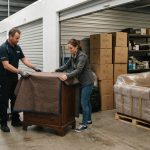
Furniture storage refers to the temporary or long-term housing of household items in a secure facility, typically used during a move, renovation, or lease gap. The right choice depends on how long items need to stay, whether climate control matters, and how often access is required.
Selecting furniture storage usually comes down to matching the storage format to the situation. A family between settlements might need a few weeks of holding space, while someone renovating a home could require several months of coverage. Understanding these differences before committing to a provider helps avoid paying for capacity or features that are not actually needed.
Types of Furniture Storage Explained
Storage providers generally offer a handful of formats, and each suits different circumstances.
• Self-storage units : Rented individually, these units allow direct access and are suited to items needed again within weeks or months.
• Container storage : A portable container is delivered, packed, and either kept on-site or transported to a secure yard.
• Warehouse storage : Items are packed and stored in a managed facility, often as part of a removalist’s broader service.
• Short-term holding : Used between settlement dates or during a brief renovation window, typically lasting days to a few weeks.
Each format carries different trade-offs around cost, accessibility, and security, so matching the format to the actual timeline matters more than defaulting to the most familiar option.
Factors That Affect the Right Choice
A few practical considerations narrow down which storage type fits a specific move or renovation project in Bairnsdale, VIC.
1. Duration of storage : Short stays favour flexible, pay-as-you-go units, while longer stays may benefit from warehouse arrangements with better per-month rates.
2. Climate sensitivity : Timber furniture, electronics, and upholstered items can be affected by humidity and temperature swings, so climate-aware facilities are worth checking.
3. Access frequency : Items needed regularly should go into easily accessible self-storage rather than a sealed container at the back of a yard.
4. Volume and item size : Larger furniture pieces, such as wardrobes or dining suites, may require container or warehouse options rather than small lockers.
Seasonal humidity and temperature changes in East Gippsland can affect how timber and upholstered furniture holds up over extended storage periods, which is one reason climate control is worth confirming before committing to a facility. The Bureau of Meteorology publishes regional climate data that can help residents gauge typical seasonal conditions when planning longer storage windows.
Comparing Storage Options at a Glance
|
Storage Type |
Best For |
Access Level |
Typical Duration |
|
Self-storage unit |
Frequent access needs |
High |
Weeks to months |
|
Container storage |
On-site or transported bulk items |
Moderate |
Weeks to months |
|
Warehouse storage |
Long-term, managed storage |
Low to moderate |
Months to longer term |
|
Short-term holding |
Settlement gaps, brief renovations |
Moderate |
Days to a few weeks |
This comparison highlights that no single format suits every scenario. A renovation lasting several months points toward warehouse storage, while a two-week gap between leases is better served by short-term holding.
Planning Ahead for a Smooth Storage Period
Good planning reduces the risk of damage or unnecessary costs once furniture is in storage.
• Measure large items before booking a unit size, since undersized spaces lead to cramped, damage-prone packing.
• Wrap upholstered and wooden furniture to reduce dust and moisture exposure.
• Keep an inventory list of stored items, particularly for longer storage periods.
• Confirm insurance coverage, since not all storage arrangements automatically include contents cover.
Based in Maffra, VIC, Andersons Removals Maffra extends its services to customers throughout Bairnsdale, VIC, supporting moves and storage needs across the wider region.
Frequently Asked Questions
How long can furniture typically stay in storage? Most facilities allow storage for as little as a few days up to several years, with pricing structures usually adjusting for longer commitments.
Does furniture storage include insurance? Insurance coverage varies by provider, so confirming whether contents are covered under the storage agreement or a separate policy is a necessary step before packing items away.
Is climate-controlled storage necessary for all furniture? Climate control matters most for timber, leather, and electronic items, while sturdier pieces may not need it, depending on regional humidity levels such as those tracked for East Gippsland.
Final Note on Choosing Storage
Matching storage duration, climate needs, and access frequency to the right format helps avoid both overspending and furniture damage during a move or renovation period. Current availability details for Andersons Removals Maffra are published for the local service area.